Queensland Pool Safety Regulations: What You Need to Know in 2026
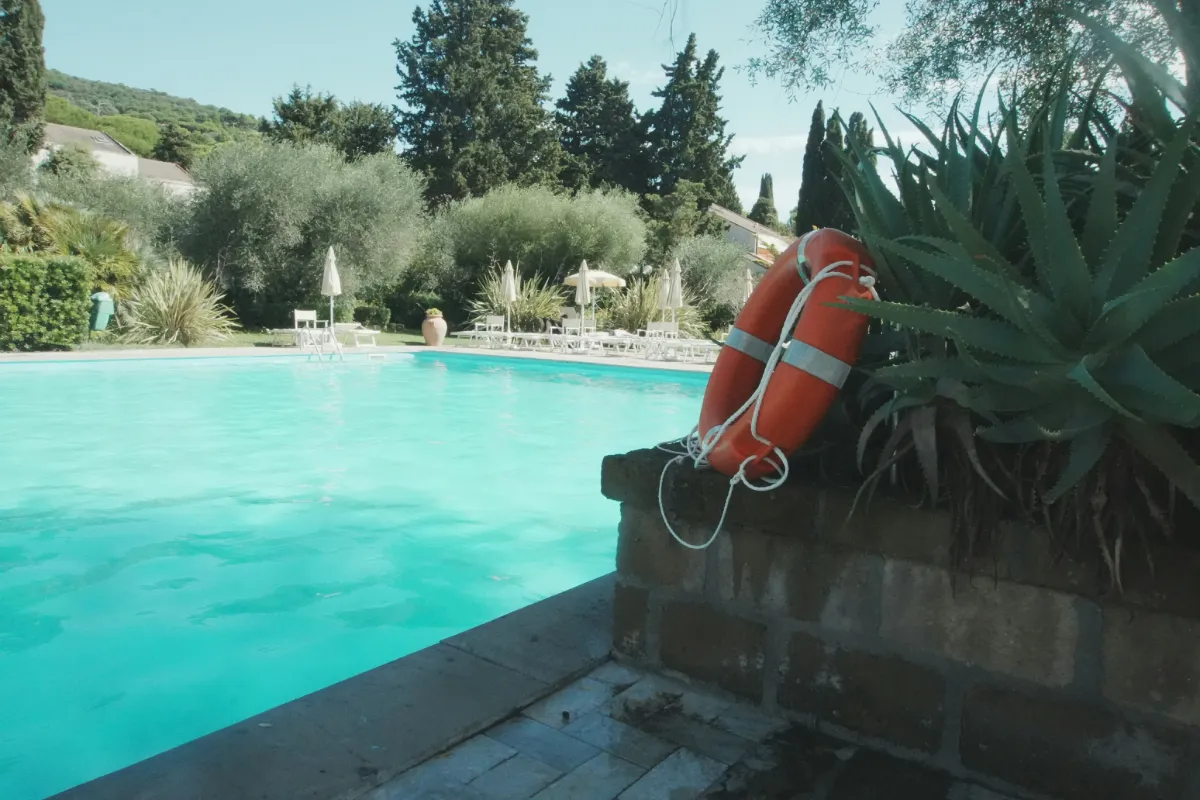
Pool safety in Queensland is governed by strict regulations designed to protect children from drowning accidents. The swimming pool safety standard is designed to minimise the chance that young children can get into the pool area unsupervised. Here’s your comprehensive guide to current Queensland pool safety requirements.
Source: Queensland Government Pool Safety and Queensland Housing Pool Safety Guidelines
The Single Pool Safety Standard
Since 2015, Queensland has operated under a single pool safety standard, replacing the previous 11 different standards that created confusion for property owners. This unified approach makes compliance clearer and more consistent across the state.
Learn more: QBCC Pool Safety Standard
Key Pool Barrier Requirements
Height Requirements
Pool barriers must be at least 1.2 metres (1200mm) high from the finished ground level, measured at a right angle to ensure consistent height along the entire fence length. It’s important to note that ground levels and garden beds can rise over time, reducing the pool barrier’s height, so regular checks are essential.
Gap Restrictions
There must be no gaps larger than 100mm in barriers to prevent children from squeezing through. This applies to all gaps, whether between fence panels, under gates, or around posts.
Non-Climbable Zones (NCZ)
Pool barriers must include non-climbable zones to prevent children from scaling the fence. In the NCZ, the distance between any hand and foot hold must be at least 900mm (90cm). There must be no climbable objects, horizontal components, hand holds, footholds, indentations, projections, deeper than 10 mm within non-climbable zones.
Gate Requirements
Pool gates are critical safety components and must meet specific standards:
- Gates must be self-closing and self-latching
- Latches should be positioned to prevent young children from easily opening them
- Gates must close and latch automatically from any open position
Window and Door Restrictions
Windows opening into the pool area can be opened by more than 100mm only if they include additional safety measures. Direct access from homes to pool areas must be restricted to ensure children cannot access the pool unsupervised.
Boundary Fence Considerations
If your pool shares a boundary fence with neighbouring properties, special attention is required. The adjoining boundary fences must not have climbable rails that could allow children to climb over into the pool area.
When Do You Need a Pool Safety Certificate?
Queensland law requires pool safety certificates in several situations:
Property Sales and Purchases: A valid pool safety certificate is mandatory when selling or buying any property with a pool.
Rental Properties:
- Non-shared pools: Certificate valid for 2 years
- Shared pools (apartments, complexes): Annual certification required
Commercial Properties: Resorts, hotels, motels, and caravan parks must maintain current pool safety certificates.
Pool Registration Requirements
All regulated pools in Queensland must be registered with the local council. This applies to most pools that can hold more than 300mm of water, except for certain exempted pools like spa pools under specific conditions.
More information: Pool Registration Guide
What Pools Are Exempt?
Pools that can’t be filled with more than 300mm of water, have a maximum volume of 2,000 litres, and have no filtration system may be exempt from full compliance requirements, though safety is still recommended.
Inspection and Compliance
During a Pool Safety Inspection, a licensed inspector checks for compliance with these regulations, examining all barrier heights, gate mechanisms, gaps, and climbable zones. Inspectors can often complete minor repairs during the inspection to achieve immediate compliance.
Check compliance: Pool Compliance Checklist
Key Takeaways
Pool barriers must be minimum 1200mm high with no gaps over 100mm
Gates must self-close and self-latch automatically
Non-climbable zones must have 900mm minimum distance between hand/footholds
Certificates are required for property sales, rentals, and commercial operations
All regulated pools must be registered with local councils
Regular maintenance is essential as ground levels can change over time
Professional Advice
Pool safety regulations can be complex, and non-compliance can result in significant penalties or, more importantly, tragic accidents. Always consult with a QBCC-licensed pool safety inspector to ensure your pool meets current Queensland standards and obtain the necessary certification for your specific situation.
Additional resources:
Remember: pool safety is about more than just meeting legal requirements—it’s about protecting the children in your community from preventable drowning accidents.
Ready to Get Certified?
Contact Gold Coast Discount Pool Safety Inspections today for fast, professional, and affordable pool safety certification. Let us handle the compliance requirements so you can focus on enjoying your pool safely. Book Your Inspection Today!